Looking for a quick and tasty dinner? Try Lemon Ricotta Pasta! This dish pairs creamy ricotta with bright lemon flavors. It’s perfect for busy nights or casual meals with friends. I’ll guide you through easy steps and share tips for the best texture. You’ll impress everyone with this vibrant pasta dish, whether you are a cooking pro or a beginner. Let’s dive into the fresh and zesty world of Lemon Ricotta Pasta!
Why I Love This Recipe
- Fresh and Vibrant Flavors: This recipe perfectly balances the zing of lemon with the creaminess of ricotta, creating a refreshing dish that bursts with flavor.
- Quick and Easy: With just 30 minutes from start to finish, this dish is ideal for busy weeknights or when you want something delicious without spending hours in the kitchen.
- Versatile Ingredients: Feel free to customize this dish by adding vegetables, proteins, or even different herbs, making it suitable for various tastes and dietary preferences.
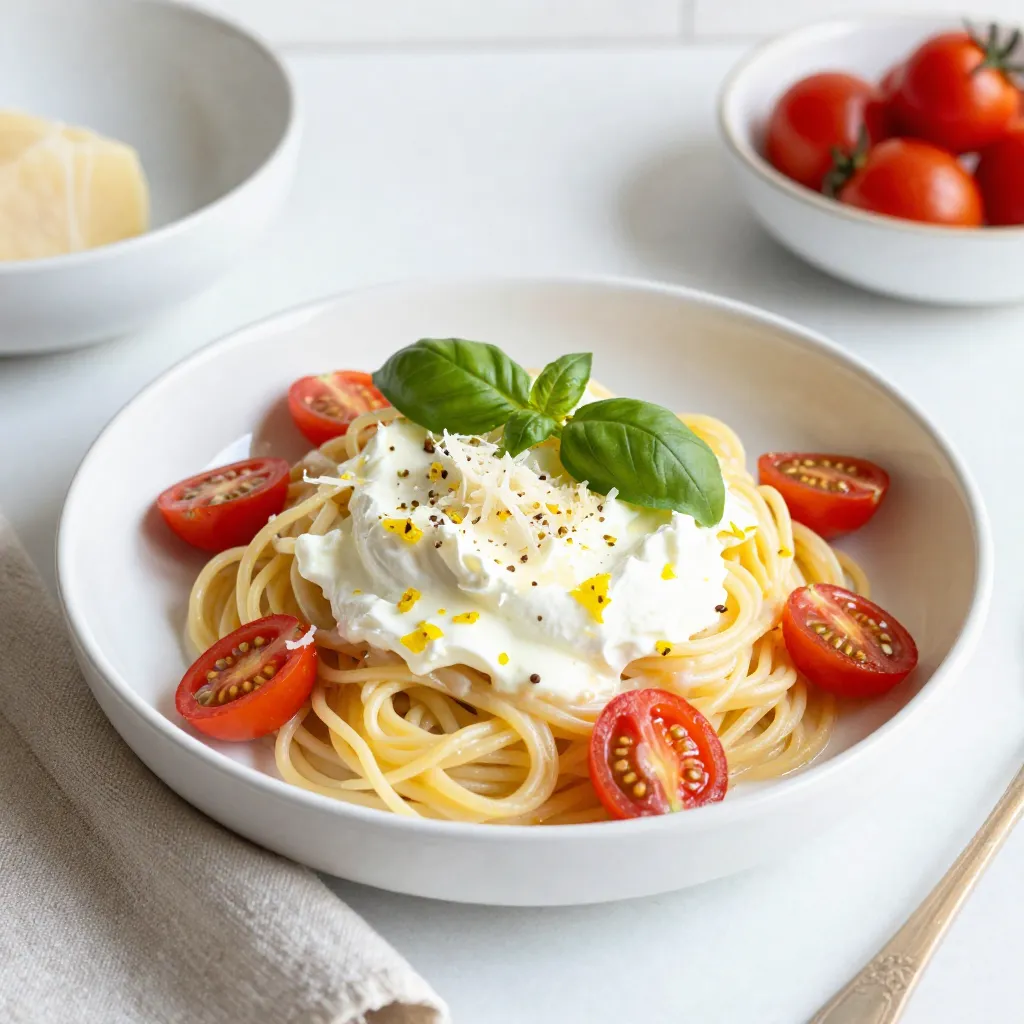
- Gorgeous Presentation: The vibrant colors of the dish, especially with the addition of cherry tomatoes and fresh basil, make it visually appealing and perfect for hosting guests.
Ingredients
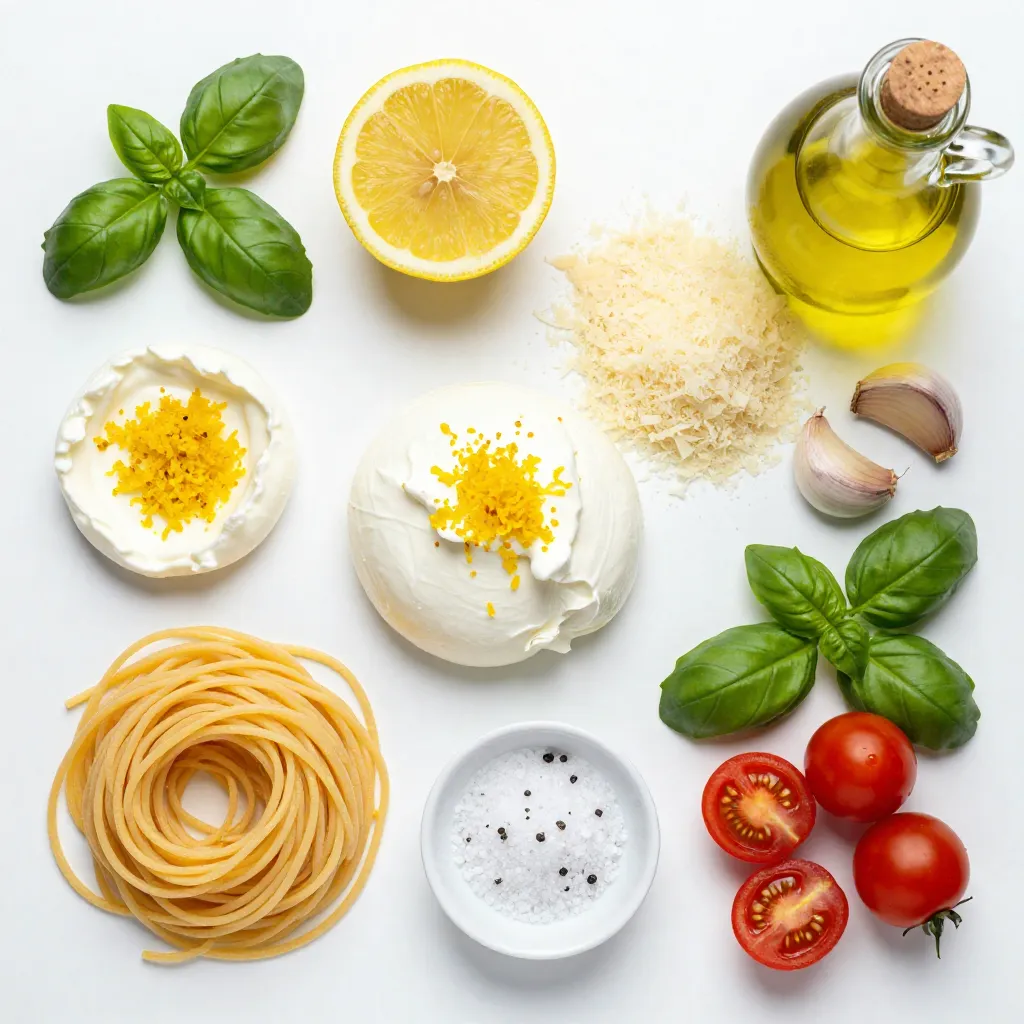
Main Ingredients List
– Pasta types: 12 oz spaghetti or fettuccine
– Cheese components: 1 cup ricotta cheese, 1/2 cup grated Parmesan cheese
– Lemon elements: Zest of 2 lemons, juice of 1 lemon
– Additional ingredients: 2 tablespoons olive oil, 3 cloves garlic (minced), salt, pepper, fresh basil (for garnish), optional 1 cup cherry tomatoes (halved)
When I make Lemon Ricotta Pasta, I reach for simple yet fresh ingredients. The pasta serves as a base, and I prefer either spaghetti or fettuccine for their ability to hold the sauce well. The creamy ricotta cheese adds richness, while the Parmesan gives it a nice salty kick.
Lemon is key here. The zest brings bright notes, and the juice adds a refreshing tang. I love how these flavors dance together.
Don’t forget the garlic! It adds warmth and depth. A drizzle of olive oil helps bind everything together, making each bite smooth and luscious.
If you’re feeling adventurous, toss in some cherry tomatoes. They add color and a burst of sweetness that pairs nicely with the tangy lemon. All these ingredients create a lovely balance, making this dish perfect for any meal!
Step-by-Step Instructions
Cooking the Pasta
Start by boiling a large pot of salted water. You want it to bubble hard. Add 12 ounces of your favorite pasta, like spaghetti or fettuccine. Cook the pasta for about 8 to 10 minutes. You want it to be al dente, which means it should still have a slight bite. Before draining, reserve 1 cup of that starchy pasta water. This water helps the sauce stick later.
Preparing the Sauce
While your pasta cooks, grab a large skillet. Pour in 2 tablespoons of olive oil and heat it over medium heat. Once hot, add 3 minced garlic cloves. Sauté for about 1 minute. You want the garlic to smell great but not brown. Browning can make it taste bitter. Next, turn the heat to low. Stir in 1 cup of ricotta cheese along with the zest of 2 lemons and the juice of 1 lemon. Mix until it’s creamy. If it feels too thick, add a little reserved pasta water until it’s smooth.
Combining Pasta and Sauce
Now, it’s time to bring it all together. Pour the drained pasta into the skillet with the ricotta sauce. Toss it gently so every piece is coated. Sprinkle in 1/2 cup of grated Parmesan cheese. Mix well until everything is combined. Don’t forget to taste it! Add salt and freshly cracked black pepper to your liking. If you like, you can gently fold in 1 cup of cherry tomatoes. This adds a nice touch of sweetness.
Tips & Tricks
Perfecting Your Pasta Dish
To make the best Lemon Ricotta Pasta, the sauce needs the right consistency. You can use pasta water to help with this. After cooking your pasta, save about 1 cup of that starchy water. Add it slowly to the ricotta sauce if it feels too thick. Mix until it’s smooth and creamy.
For a creamy texture with ricotta, let it warm up a bit before mixing it in. You can also whisk it with lemon juice and zest for a light and fluffy mix. This makes it blend better with the pasta.
Serving Suggestions
When serving your pasta, think about how you want it to look. Using large plates gives a nice touch. It allows the sauce to spread out, making it more inviting. You can drizzle a bit of olive oil on top for extra shine.
Garnishing is key! Fresh basil leaves add color and a burst of flavor. You can also sprinkle some extra Parmesan cheese on top. A few whole basil sprigs can really make your dish pop!
Pro Tips
- Use Fresh Ingredients: For the best flavor, opt for fresh lemons and high-quality ricotta cheese. Fresh ingredients can significantly enhance the taste of your dish.
- Adjust Consistency: When adding pasta water to the sauce, do it gradually. This way, you can easily control the sauce’s thickness and achieve the perfect creamy texture.
- Customize with Veggies: Feel free to add seasonal vegetables like spinach or zucchini for added nutrition and flavor. This not only enhances the dish but also makes it more colorful.
- Garnish Creatively: Instead of just basil, consider adding toasted pine nuts or a sprinkle of red pepper flakes for an extra layer of flavor and visual appeal.
Variations
Ingredient Swaps
You can switch up the ricotta and Parmesan. If you want a lighter option, try cottage cheese. It adds creaminess but with less fat. For a sharper taste, use goat cheese instead of ricotta. It brings a nice tang to the dish.
If you want to change the pasta shape, consider using penne or farfalle. They hold the sauce well and add a fun twist. You can even use whole wheat or gluten-free pasta for a healthier choice.
Flavor Enhancements
Adding protein can make your meal heartier. Chicken or shrimp works great. Just cook them in the skillet before the garlic. For a vegetarian option, try chickpeas or lentils. They add protein and fiber.
You can also mix in some veggies to boost nutrition. Spinach wilts nicely and adds color. Arugula gives a peppery kick, while bell peppers add crunch. Toss them in with the pasta for a fresh taste.
Storage Info
Storing Leftovers
To keep your Lemon Ricotta Pasta fresh, store it in an airtight container. Use a shallow dish for best results. Refrigerate it within two hours of cooking. This will help keep the flavors intact. It should stay good for about three days.
When you reheat it, avoid the microwave if possible. Microwaves can make the pasta mushy. Instead, use a skillet on low heat. Add a splash of reserved pasta water to help restore creaminess. Stir gently until heated through.
Freezing Options
You can freeze Lemon Ricotta Pasta, but it’s best to freeze the sauce and pasta separately. Cook the pasta until just under al dente. This helps it stay firm when you thaw it. Let both parts cool completely before freezing. Use freezer-safe bags or containers.
When you’re ready to eat, thaw the sauce overnight in the fridge. Reheat the sauce in a skillet. For the pasta, boil water and cook it for a few minutes to warm it up. Mix them together, and enjoy a fresh-tasting meal!
FAQs
Common Questions About Lemon Ricotta Pasta
How can I make Lemon Ricotta Pasta gluten-free?
To make Lemon Ricotta Pasta gluten-free, use gluten-free pasta. Many brands offer options like rice or chickpea pasta. These cook similarly to regular pasta. Just follow the package instructions for the best results.
Can I prepare Lemon Ricotta Pasta ahead of time?
Yes, you can prepare Lemon Ricotta Pasta ahead of time. Cook the pasta and make the sauce. Store them separately in the fridge. When ready to eat, just combine them and reheat gently on the stove. This keeps the pasta from getting mushy.
What are the best side dishes to serve with this pasta?
Great side dishes for Lemon Ricotta Pasta include:
– A simple green salad with lemon vinaigrette
– Garlic bread for a crunchy texture
– Roasted vegetables like zucchini or bell peppers
These options complement the flavors well and add variety to your meal.
In this post, we explored making a delicious Lemon Ricotta Pasta dish. You learned about the main ingredients, step-by-step cooking instructions, and tips for perfecting your meal. We also discussed variations to keep your pasta fresh and exciting. Lastly, I shared how to store leftovers effectively. Enjoy experimenting with your recipes and make this dish your own. With a few simple changes, you can create a pasta masterpiece. Keep sharing your culinary adventure