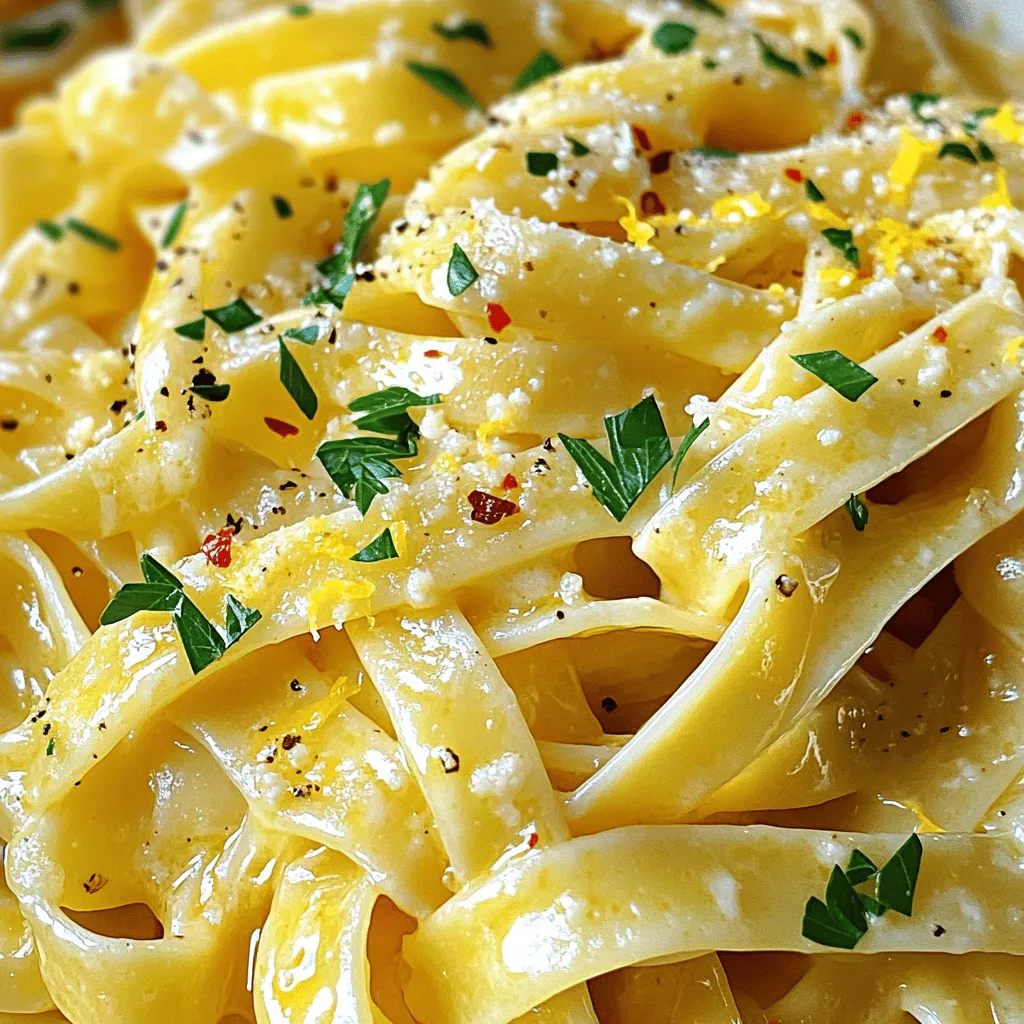
Get ready to indulge in a creamy, cheesy dish that will delight your taste buds! In this blog, I’ll guide you through my simple recipe for Garlic Parmesan Pasta. With just a few ingredients like butter, garlic, and Parmesan cheese, you can create a meal that feels fancy but is easy to make at home. Whether it’s a weeknight dinner or a special occasion, this flavorful delight will impress everyone at your table. Let’s dive in!
Ingredients
List of Ingredients
– 12 oz spaghetti or fettuccine
– 4 tablespoons unsalted butter
– 4 large cloves of garlic, minced
– 1 teaspoon crushed red pepper flakes
– 1 cup freshly grated Parmesan cheese
– 1 cup heavy cream
– Salt and freshly ground black pepper
– 1/4 cup fresh parsley, finely chopped
– Zest of 1 lemon
Garlic Parmesan Pasta is a true delight. It combines rich flavors with a creamy texture. The key ingredients create magic in the bowl.
First, we have the pasta. You can use spaghetti or fettuccine. Both options work well and taste great. Next, we need butter. It adds richness and helps sauté the garlic. Garlic provides a savory flavor that makes this dish special.
We also add crushed red pepper flakes. These give a nice kick. Adjust the amount based on how spicy you like it. Then comes the star: Parmesan cheese. Freshly grated cheese melts beautifully into the sauce.
Heavy cream makes the sauce smooth and creamy. It brings everything together. Don’t forget salt and freshly ground black pepper. They enhance the flavors in the dish.
For a fresh touch, we add parsley. It adds color and brightness. Lastly, lemon zest gives a refreshing twist. This balance of flavors is what makes this pasta a winner.You’ll create a dish that’s easy and delicious!
Step-by-Step Instructions
Cooking the Pasta
– Preparing the Pot and Water
Fill a large pot with water. Add a generous amount of salt. This helps flavor the pasta. Bring the water to a rolling boil.
– Cooking Time and Techniques
Once boiling, add the spaghetti or fettuccine. Cook according to package instructions until just al dente. This means firm to the bite.
– Reserving Pasta Water
Before draining, reserve 1 cup of the pasta water. This water helps adjust the sauce later. Drain the pasta and set it aside.
Sautéing the Garlic
– Melting the Butter
In a wide skillet, melt the butter over medium heat. This adds a rich flavor.
– Adding Garlic and Red Pepper Flakes
As the butter melts, add the minced garlic and crushed red pepper flakes. Adjust the spice based on your taste.
– Cooking until Fragrant
Sauté the mixture for 1-2 minutes. Stir constantly until the garlic is fragrant but not browned. Burnt garlic can taste bitter.
Making the Sauce
– Pouring in Heavy Cream
Reduce the heat slightly. Pour the heavy cream into the skillet with the garlic. Stir well to mix everything.
– Simmering for Consistency
Allow the sauce to simmer gently for 3-4 minutes. This thickens the sauce slightly.
– Incorporating Parmesan Cheese
Gradually add the freshly grated Parmesan cheese. Stir continuously until the cheese melts. The sauce should be creamy and smooth.
Combining Pasta and Sauce
– Mixing in the Cooked Pasta
Gently add the drained pasta to the skillet. Toss well to coat each strand with the sauce.
– Adjusting Sauce Consistency with Pasta Water
If the sauce is too thick, add small amounts of reserved pasta water. Stir until you reach the desired creamy consistency.
– Seasoning for Flavor
Season liberally with salt and freshly ground black pepper. Add lemon zest for a fragrant lift in flavor.
Final Touches and Serving
– Presentation Tips
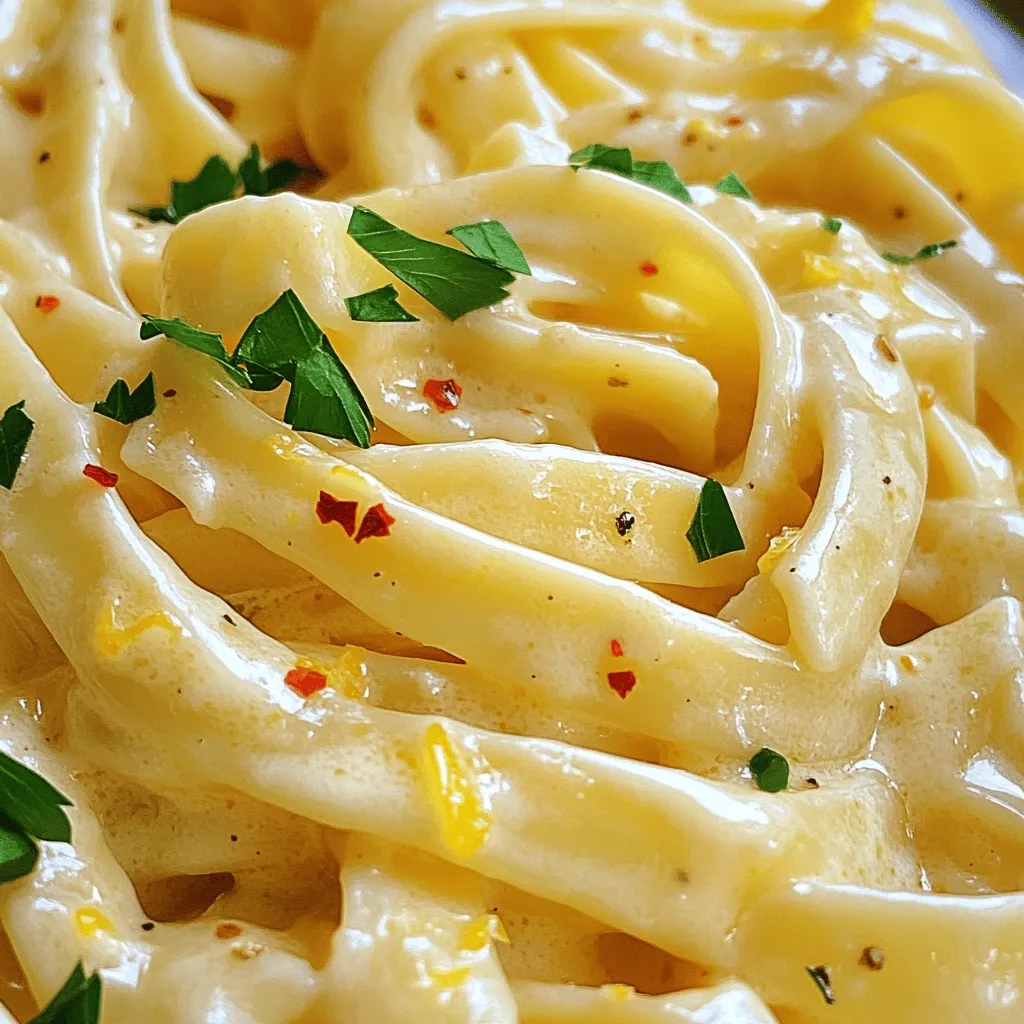
For an elegant touch, serve the pasta in shallow bowls. Twirl the spaghetti or fettuccine into a nest shape.
– Garnishing with Parsley and Cheese
Garnish generously with chopped fresh parsley. For extra flavor, sprinkle some Parmesan cheese on top.Enjoy!
Tips & Tricks
Best Practices for Cooking Pasta
– Importance of Salt in Boiling Water
Using salt in boiling water is key. It adds flavor to the pasta as it cooks. Use about 1 tablespoon for every 4 quarts of water. This small step makes a big difference.
– How to Achieve Al Dente Texture
Al dente means your pasta is cooked but still firm. To achieve this, check the cooking time on the package. Taste a piece a minute or two early. It should have a slight bite.
Enhancing Flavors of the Sauce
– Using Fresh Instead of Powdered Ingredients
Fresh ingredients really make the sauce pop. Use fresh garlic, real Parmesan, and herbs. They give a richer flavor than powdered forms. Always choose fresh when possible.
– Variations with Herbs and Spices
You can change the taste with herbs and spices! Basil, thyme, or oregano work great. A pinch of nutmeg adds warmth. Experiment to find your favorite mix.
Serving Suggestions
– Pairing with Side Dishes
Garlic Parmesan Pasta goes well with a simple salad. A side of steamed vegetables balances the meal. You can also serve it with garlic bread for a tasty treat.
– Ideal Wine or Beverage Choices
A crisp white wine, like Pinot Grigio, pairs well. It cuts through the creaminess of the sauce. If you prefer non-alcoholic, try sparkling water with lemon. It refreshes the palate.
Variations
Adding Proteins
Chicken options
You can add chicken to make the dish heartier. Grilled or sautéed chicken works best. Simply slice cooked chicken breast and mix it into the pasta before serving. For added flavor, season the chicken with salt, pepper, and Italian herbs.
Shrimp variations
Shrimp adds a nice touch to Garlic Parmesan Pasta. Use peeled and deveined shrimp for ease. Sauté them in the garlic butter until pink and cooked through. Then, toss them with the pasta and sauce for a seafood twist.
Making it Vegetarian
Substituting with Plant-based Cream
To make a vegetarian version, swap heavy cream for plant-based cream. This change keeps the dish creamy while making it dairy-free. Almond or coconut cream works great!
Adding Seasonal Vegetables
Fresh veggies can enhance flavor and nutrition. Try adding spinach, cherry tomatoes, or asparagus. Sauté the vegetables with the garlic for a delicious blend. These ingredients add color and texture to your meal.
Gluten-Free Alternatives
Options for Gluten-Free Pasta
If you need gluten-free options, use gluten-free pasta. Brands like brown rice or chickpea pasta work well. Cook them according to the package instructions for the best results.
Adjusting Ingredients for Dietary Needs
Check your ingredients for gluten. Some Parmesan cheese may contain additives, so always read labels. Adjust your recipe as needed to ensure it meets your dietary needs.
Storage Info
How to Store Leftovers
To keep your garlic Parmesan pasta fresh, store it in the fridge. First, let it cool down. Then, place it in an airtight container. This helps prevent moisture loss. Use it within three to four days for the best taste.
Refrigeration Tips
Make sure the pasta is cool before you put it in the fridge. Heat can cause condensation, making it soggy. If you want to store it longer, think about freezing.
Recommended Containers
Use glass or plastic containers with tight lids. They keep the pasta safe from air. If you have a vacuum sealer, that works great too. It helps keep the flavors and texture intact.
Reheating Guidelines
When it’s time to enjoy your pasta again, reheating is key. You can use the microwave or stovetop. Each method has its own tips for best results.
Best Practices for Microwaving
Start by placing the pasta in a microwave-safe bowl. Add a splash of water or broth. Cover it with a microwave-safe lid or wrap. Heat it in short bursts, stirring in between. This helps heat evenly and keeps it moist.
Stovetop Reheating Techniques
For stovetop reheating, add a little butter or oil to a pan. Heat over low to medium heat. Stir often to prevent sticking. If the pasta seems dry, add a bit of water or cream to revive it.
Freezing Recommendations
If you want to save your pasta for later, freezing is a great option. Just make sure to store it properly.
Freezing for Longer Storage
Let the pasta cool completely before freezing. Divide it into portions. Place each portion in a freezer bag or container. Press out extra air before sealing. This helps prevent freezer burn.
Thawing Tips before Reheating
To thaw, move the pasta from the freezer to the fridge. Let it sit overnight. If you’re short on time, you can also use the microwave to defrost. Just make sure to do it slowly to avoid cooking the pasta.
Using these storage methods ensures your garlic Parmesan pasta stays tasty for days.
FAQs
Can I make Garlic Parmesan Pasta ahead of time?
Yes, you can make Garlic Parmesan Pasta ahead of time. Cook the pasta and sauce separately. Store each in airtight containers. When ready to serve, reheat both in a pan. Add a splash of pasta water to bring back creaminess.
What can I substitute for heavy cream?
You can use alternatives like whole milk, half-and-half, or coconut cream. For a lighter option, try Greek yogurt or cashew cream. Each provides a unique flavor and texture.
How do I prevent the sauce from becoming too thick?
To keep the sauce from getting too thick, add reserved pasta water. Start with a small amount and stir. Adjust until you reach your desired creamy consistency.
Is it possible to make this dish dairy-free?
Yes, you can make Garlic Parmesan Pasta dairy-free. Use plant-based cream and nutritional yeast for a cheesy flavor. You can also use dairy-free cheese to enhance taste.
What are the nutritional facts for Garlic Parmesan Pasta?
Garlic Parmesan Pasta is rich in calories, fat, and carbs. A serving has about 500 calories, with 25 grams of fat and 50 grams of carbs. Check specific brands for exact numbers.
How can I make Garlic Parmesan Pasta spicier?
To add spice, increase the crushed red pepper flakes. You can also add fresh chopped chili or a dash of hot sauce. Adjust to match your spice level preference.
This blog post provided a clear recipe for Garlic Parmesan Pasta. We covered essential ingredients, simple cooking steps, and clever variations for different diets. Remember, using fresh ingredients enhances flavor. Adjust the sauce as needed, and don’t skip the garlic. Enjoy your delicious meal with a side dish or favorite drink. Lastly, store or freeze leftovers to savor them later. Cooking can be fun and rewarding, so try it out!